
The Louvre Mastaba Chapel has taken a step forward.
 The Louvre Mastaba Chapel has taken a step forward
"It will profoundly alter our perception of the chapel, as we are now intimately connected to the architectural reality," expressed Vincent Rondot, the head of Egyptian antiquities at the Louvre.
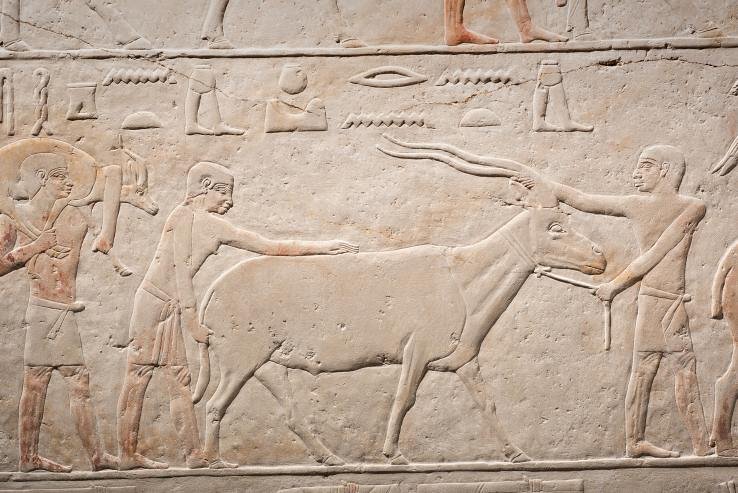
Only the highest ranking officials were allowed to construct monumental tombs in ancient Egypt, Akhethotep being one of these officials who was part of the royal court of the pharaoh. Akhethotep had a funerary chapel built for him approximately 4,000 years ago, and this chapel is now an important artifact in the Department of Egyptian Antiquities at the Louvre Museum in Paris. The chapel of Akhethotep was taken from Egypt to the Louvre in 1903. This chapel still has public access and is open for visits by family members of the deceased. The walls of the chapel are made of large stone blocks that have been carved with relief representations and inscriptions. The interior walls of the chapel, which is where the offerings were made, are decorated with an entire series of low-relief carvings that depict numerous different natural floral themes, scenes of agriculture, scenes of feasting and dancing and the bearers of offerings in procession.
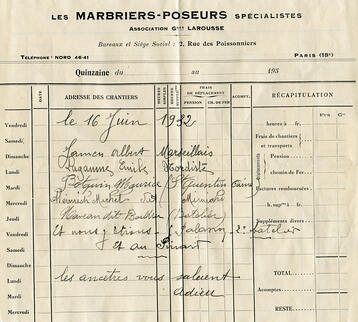
One of many tasks within a huge and difficult project involving the disassembly of chapels was to remove them stone by stone; the stones were then cleaned, restored, photographed, and digitized while being dissected individually by contract workers from an external organization. The restoration team discovered something unexpected during disassembly: there were small folded papers hidden between stones that were placed inside their respective stones by the builders of the chapel in 1932; all were signed by the original builders and each contained the same message: "To Our Ancestors, We Shall See You on The Other Side."
 illustration
To restore the monument to its original height, a stone base was incorporated, allowing the relief decoration to be appreciated as it was initially intended, at the appropriate height and in proper proportions. The completion of this project took place in the spring of 2021, and visitors are now invited to return!
Attribution for photographs