
Revitalizing the Mosul Museum
 Revitalizing the Mosul Museum
What is the historical background of the Mosul Museum located in Iraq?
A.T: "The Mosul Museum is of great cultural importance in Iraq, ranking second only to the National Museum in Baghdad and therefore is one of the top cultural institutions in the country. Initially, it was situated in a building that was once a royal palace but later in the 1970s, it was moved to a newly constructed building within the palace gardens that was specially designed by the renowned Iraqi architect Mohamed Makiya. Referred to as the 'Mosul Cultural Museum,' this institution presents the history and culture of Iraq with special attention to the northern region of Mosul, which is historically important. The city lies adjacent to the Nineveh archaeological site, which dates back at least 6,000 years. This was the site of the Assyrian Empire and fell within the area of the so-called 'Fertile Crescent,' which is known as the cradle of the earliest human civilizations.
What items were included in the museum's collections?
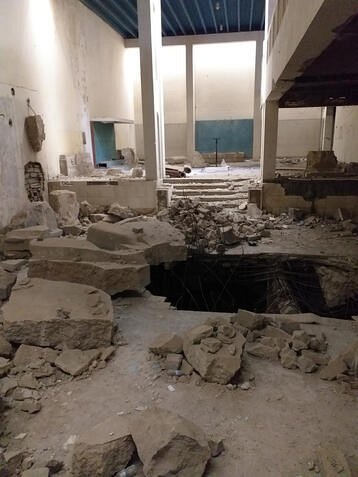
Prior to its devastation by Daesh in 2015, the museum hosted one of the richest collections in the world, ranging from prehistory to contemporary times, including some of the masterpieces. It consisted of three main wings through which treasures of the Assyrian, Hellenistic (mainly Hatra), and Islamic periods were displayed. Among the collections were monumental bulls from Nimrod, Khorsabad, and Nineveh; paintings; metallic remnants; and exquisite mihrabs and wooden cenotaphs. This rich and varied collection represented not only the heritage of the region but also that of Iraq.
 illustration
What sort of joint project was created with the Mosul Museum following those events?
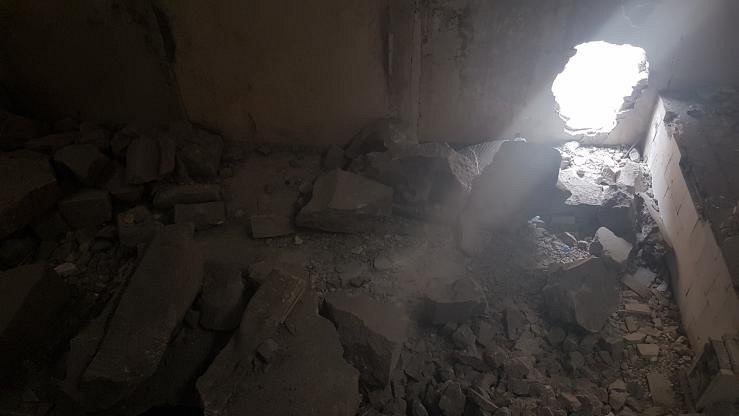
In 2017, post-Mosul's liberation, the Iraqi authorities invited the ALIPH foundation or 'International Alliance for the Protection of Heritage in Conflict Areas' to help in the restoration of the museum, which lay in ruins. This foundation was officially launched at Cour Khorsabad in the Louvre - a place directly tied to the collections of the Mosul Museum - and so the Louvre demonstrated its support for the Iraqi institution. In 2018, it was formally announced as an initiative between the foundation ALIPH, Louvre, Smithsonian Institution, World Monuments Fund, and the Iraqi authorities to realize the very big ambition to fully rehabilitate the Mosul Museum in order to reopen it at an international level.
In what manner is the project structured?
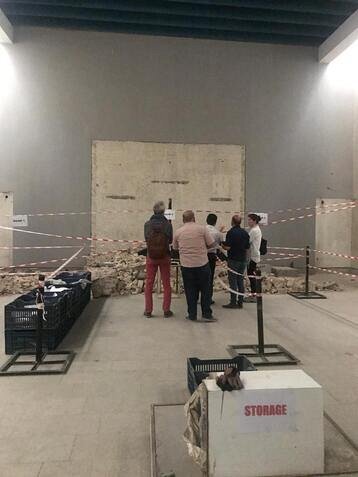
A.T: "This initiative concerns the supply of all specialist services, logistics, and human as well as material resources needed for the rehabilitation of the museum in all its aspects. The first phase was to take urgent action: clear the site of mines so it can be made safe for visitors, repair the roof, and strengthen the weakened floors. It was also essential to collect the pieces of artworks blown apart by the explosions. In this project, the participants are working with the museum teams to sort out and organize the numerous fragments so that they can be reassembled — brought back to life with the assistance of some restorers who have worked in Iraq or Afghanistan. The Louvre has also come up with a very detailed plan for complete reconstruction and is working very closely with the Iraqi museum teams who are, in fact, at the center of this project because it's their museum, and we're going to help them get it back on its feet.
 illustration
In what ways has the Covid-19 crisis affected the project?
A.T: "Unfortunately, we were not able to go to Iraq every two months as we had planned. The lockdown made us revisit and reschedule the structure of the project. Ironically, it was for the better under the circumstances. This period has allowed us to better prepare for the site missions that we are now trying to organize, which are expensive and must be executed with maximum efficiency. We started an online training program for our Iraqi colleagues and currently developing a pilot platform for better daily exchanges. This is the first chance we have had to get ready for the site missions that we are now trying to organize, which are expensive and have to be done with maximum efficiency. I will choose to be optimistic; at least I have improved my ability to work from a distance. We are moving forward together; the project has not stopped completely during the global crisis, and that is what matters most.
* Mirhab: a niche in a mosque that shows the direction of Mecca.